
October 21, 2026
Natural Fabric Clothing for Men: A 2026 Guide

Table of Contents
- Why Natural Fabric Clothing for Men Matters
- Best Natural Fabrics for Clothing: A Breakdown by Fiber Type
- Cotton vs. Linen Clothing: Which One to Choose
- Men's Organic Cotton Clothing: What Sets It Apart
- How to Care for Natural Fabrics and Extend Garment Life
- Blends, Regenerated Fibers, and What Actually Counts as Natural
- Assessing Sustainability Claims: How to Spot Real Quality
- Building a Natural Fiber Wardrobe That Works for Your Lifestyle
- Frequently Asked Questions
Last Updated: October 20, 2026
Why Natural Fabric Clothing for Men Matters
Natural fabric clothing men wear has shifted from a niche preference to a practical necessity for anyone who values comfort, durability, and genuine quality.
Here's what most guides skip: synthetic fibers now account for 69% of all fibers used globally, with projections showing this share will reach 73% by 2030 (UniformMarket's environmental impact analysis).
At XEDITION77, we've built our collection around hand-selected natural fabrics precisely because they deliver what synthetics promise but rarely achieve.
This guide covers the natural fibers worth your attention, how to distinguish real quality from marketing claims, and how to build a wardrobe that works for your lifestyle.
Best Natural Fabrics for Clothing: A Breakdown by Fiber Type
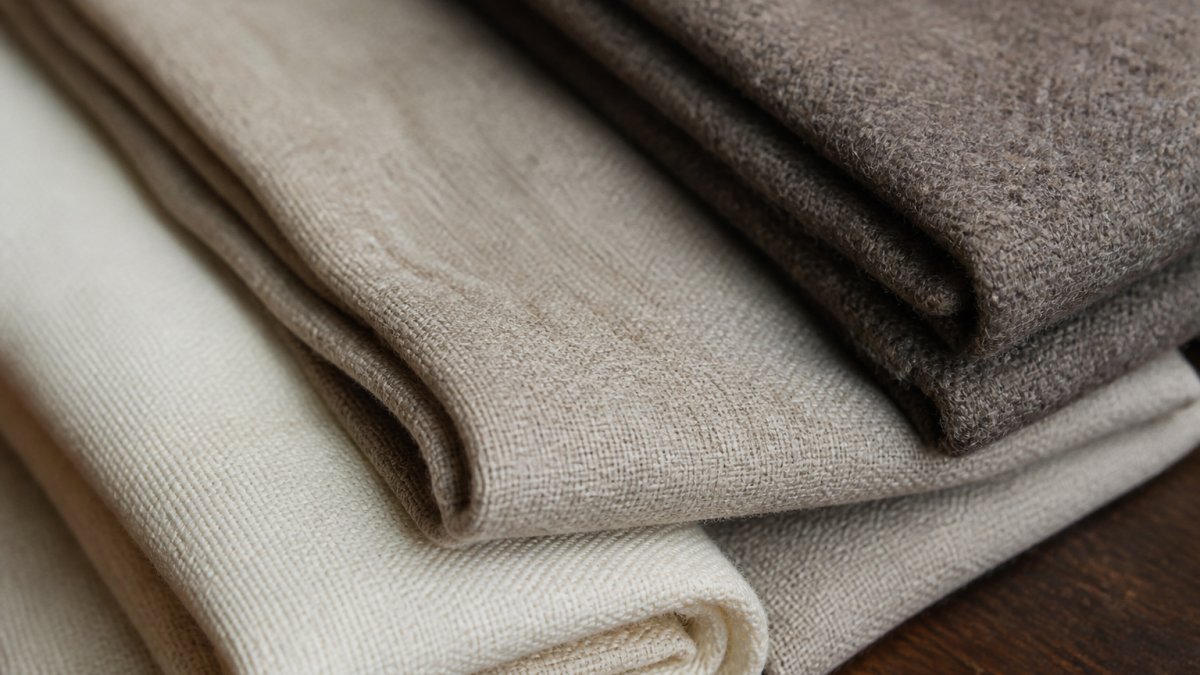
The choice of natural fiber shapes how warm you'll be, how the garment moves with your body, how much maintenance it demands, and how many seasons it survives. Picking the right one for your actual use case matters far more than chasing trends.
Cotton: The Everyday Foundation
Cotton is the reliable workhorse. It breathes, washes easily, and softens with use instead of stiffening. For everyday wear, cotton delivers consistency that synthetic blends cannot match.
The key distinction is the cotton itself. Ring-spun cotton, which XEDITION77 uses in pieces like our Vintage Spoon T-Shirt ($33.99), aligns the fibers and removes short strands, producing a stronger, softer yarn that holds its shape wash after wash.
Cotton works best for temperatures above 60 degrees. Below that, you need layering or a different fiber entirely. The fiber absorbs moisture readily, which is excellent for summer but means it takes longer to dry than synthetics.
Linen: Breathability and Summer Wear
Linen is what cotton wants to be in hot weather. The hollow fiber pulls moisture away from your skin faster than any other natural option, keeping you noticeably cooler than cotton above 75 degrees.
The tradeoff is wrinkles. Linen creases easily and unapologetically.
Linen also strengthens when wet, which means it handles aggressive washing and still comes out durable. The fiber resists mildew and bacteria better than cotton, making it ideal for climates where humidity is constant.
Wool: Warmth and All-Season Performance
Wool performs where cotton fails. It insulates even when damp, regulates temperature across a wider range, and resists odor naturally.
The misconception is that wool is only for winter. Merino works year-round because it breathes in warm weather and traps heat in cold weather. A merino base layer under a cotton shirt gives flexibility neither fiber provides alone.
Wool requires different care than cotton. It shrinks in hot water and benefits from hand-washing or wool-specific cycles.
Hemp and Silk: Specialized Options
Hemp is durable, sustainable, and breathes exceptionally well, but it's stiffer than cotton until washed several times. For work clothes or pieces meant to develop character, hemp works; for everyday comfort, expect a break-in period.
Silk is the luxury option. It regulates temperature, has a natural sheen that reads as refined rather than flashy, and feels exceptional against skin. The catch is cost and care. For dress shirts or special pieces, silk justifies the price; for everyday rotation, it's overkill.
Cotton vs. Linen Clothing: Which One to Choose
Cotton wins for versatility and ease of care. Linen wins for hot weather and breathability. The real answer depends on your climate and how much time you spend in air conditioning.
'Xedition 77' I SEE YOU STARING AT MY GRANNY ASS / T-SHIRT →
If you live somewhere with four distinct seasons, cotton is your foundation: build it with quality, ring-spun, heavyweight pieces that soften and improve rather than pill and fade.
The cost difference is minimal. Quality cotton and quality linen sit in the same price range; the difference is performance, not budget. Natural fibers deliver better value when you buy quality.
Men's Organic Cotton Clothing: What Sets It Apart
Organic cotton is grown without synthetic pesticides or fertilizers, which means less water contamination, less chemical runoff, and less harm to soil health.
The practical difference for the wearer is minimal. Organic cotton feels essentially identical to conventional cotton and doesn't perform better or last longer.
The cost premium exists because organic certification requires documentation and compliance. Expect to pay 15-25% more for certified organic cotton than conventional.
XEDITION77 uses certified materials in pieces like our I See You Staring at My Granny Ass T-Shirt ($39.98), which features Airlume combed ring-spun cotton that's ethically produced and REACH certified.

How to Care for Natural Fabrics and Extend Garment Life
Natural fabrics outlast synthetics when cared for properly: the fiber strengthens with appropriate washing, the opposite of synthetic blends, which degrade with every wash.
Start with cold water: hot water stresses natural fibers and sets stains cold water would have rinsed away.
Dry on low heat or air dry. High heat accelerates fiber degradation and causes shrinkage.
Iron on low to medium heat, and only when necessary. Natural fibers benefit from some wrinkles, they signal authenticity.
Store in a cool, dry place away from direct sunlight. Sunlight fades natural fibers over time.
Blends, Regenerated Fibers, and What Actually Counts as Natural
This is where marketing diverges from reality. A 70% cotton, 30% polyester blend is not a natural fabric; it performs like synthetics.
Regenerated fibers like Tencel and viscose are plant-based but processed chemically.
For this guide, "natural fabric clothing for men" means fibers that come from plants or animals with minimal processing. Cotton, linen, hemp, wool, silk, these are natural.
Read the label. If it says "100% cotton," you're getting cotton. If it says "65% cotton, 35% polyester," you're getting a blend that will perform like its synthetic component.
Assessing Sustainability Claims: How to Spot Real Quality
"Eco-friendly," "sustainable," and "green" are marketing terms without legal definition. Any brand can use them. Real sustainability has documentation.
Look for specific certifications: Fair Trade, GOTS (Global Organic Textile Standard), or REACH compliance. These certifications require third-party verification.
'Xedition 77' I SEE YOU STARING AT MY GRANNY ASS / T-SHIRT →
Check the fiber sourcing. Where does the cotton come from? How is it grown? Reputable brands publish this information.
Examine the construction.
The most sustainable garment is the one you already own. The second most sustainable is the one built to last.
Building a Natural Fiber Wardrobe That Works for Your Lifestyle
Start with basics. Cotton tees and shirts form the foundation because they work in almost every situation.
Add linen for warm months. One or two linen shirts give you options when temperatures rise.
Layer with wool for transitions and cold weather.
XEDITION77's collection reflects this logic. Our Guinea VA. Crab Pot Life American Flag Tee ($39.98) uses Airlume combed ring-spun cotton built for everyday movement, it works for men who need durability and comfort in equal measure.

| Fiber Type | Best For | Temperature Range | Durability | Care Difficulty |
|---|---|---|---|---|
| Cotton | Everyday wear, versatility | 50-85°F | High (5+ years) | Low |
| Linen | Hot weather, breathability | 70+°F | High (5+ years) | Low |
| Wool | Cold weather, layering | 20-60°F | Very High (10+ years) | Medium |
| Silk | Dress wear, luxury | 60-75°F | Medium (3-5 years) | High |
| Hemp | Work wear, durability | 50-80°F | Very High (10+ years) | Low |
Quality natural fabric clothing for men isn't a trend or a premium you're paying for style.
Natural fiber clothing demands intention, in selection, in care, in how you integrate pieces into your daily rotation. Blunt way of life.

Frequently Asked Questions
What are the most natural fabrics for clothing?
The primary natural fabrics are cotton, linen, hemp, wool, and silk. Cotton is the most widely used, accounting for about 25% of all fibers globally, while synthetic fibers make up 69% of the market. Linen offers superior breathability, wool provides warmth and durability, and hemp and silk serve specialized purposes. Each has distinct performance characteristics, cotton excels in everyday wear, linen in hot climates, and wool in layering and cold weather. Choosing depends on your climate, activity level, and care preferences.
Is organic cotton better than regular cotton for men's clothing?
Organic cotton eliminates synthetic pesticides and uses sustainable farming practices, reducing environmental impact and chemical residues on your skin. Both organic and conventional cotton offer similar breathability and comfort, but organic varieties typically support lower water use and fewer pesticides in production. For durability and longevity, quality matters more than organic certification alone, a well-constructed organic cotton tee like XEDITION77's Airlume combed ring-spun cotton ($39.98) combines ethical production with proven durability through proper stitching and fabric weight.
How should men care for cotton, linen, and wool clothing?
Cotton and linen require cold water washing (below 90°F) to prevent shrinkage and fading, low-heat drying, and low-heat ironing if needed. Avoid bleach on colored pieces. Wool demands gentle handling, wash in cool water with wool-specific detergent, lay flat to dry, and never tumble dry. All natural fabrics benefit from turning garments inside out before washing to preserve color and prints. XEDITION77 tees specify cold water washing and low-heat drying; following these instructions preserves fabric integrity and extends garment life significantly, often by years.
Which natural fabric is best for men's everyday clothing?
Cotton is the most practical for everyday wear because it's breathable, durable, and easy to care for. Merino wool blends work year-round for layering and activewear. Linen excels in warm climates but wrinkles more easily. For a balanced everyday piece, look for high-quality combed cotton with reinforced seams and shoulder tape, these construction details matter as much as fiber choice. XEDITION77's ring-spun cotton tees use 4.2 oz Airlume cotton with side seams and shoulder tape, making them reliable everyday options that hold their shape through regular washing.
How do I assess whether sustainability claims on clothing labels are actually true?
Look for third-party certifications like Fair Labor Association (FLA) or WRAP, which verify ethical manufacturing. Check if the brand specifies fiber sourcing and production location rather than using vague terms like 'eco-friendly.' REACH certification indicates compliance with chemical safety standards. Synthetic fibers currently represent 69% of all fibers used, so brands emphasizing natural materials are often making a deliberate choice. Verify care instructions match the fiber type, if a cotton tee recommends machine washing cold and low-heat drying, that's a sign the maker designed it for durability and longevity.
What's the difference between natural fibers and regenerated fibers like Tencel?
Natural fibers come directly from plants or animals, cotton from cotton bolls, wool from sheep, linen from flax. Regenerated fibers like Tencel (lyocell) start as natural cellulose but undergo chemical processing to become yarn. While regenerated fibers are plant-based, they're not as 'natural' as untreated cotton or linen because they require industrial processing. Both offer benefits: regenerated fibers often have a silky feel and lower environmental impact than conventional processing, while pure natural fibers require no chemical regeneration. Check labels to understand which type you're buying.
Why do natural fiber clothes sometimes shrink, and how do I prevent it?
Natural fibers like cotton and wool shrink when exposed to heat and moisture because the fibers tighten during drying. Cold water washing and low-heat drying prevent most shrinkage. Many quality garments are pre-shrunk during manufacturing to minimize this issue. XEDITION77 tees specify cold water (max 90°F) and low-heat tumble drying to preserve fit. Always follow care labels, they're written based on the specific fabric weight and construction. Laying natural fiber pieces flat to dry instead of tumble drying offers the best shrinkage prevention.
How long should I expect natural fabric clothing to last if I care for it properly?
Well-constructed natural fiber pieces can last 5-10+ years with proper care. Durability depends on fabric weight, stitching quality, and how often you wear and wash the item. Heavier cotton (6.1 oz or more) and reinforced seams extend lifespan significantly. XEDITION77's garment-dyed tee uses 6.1 oz ring-spun cotton with double-needle stitching and tubular knit construction, designed for years of wear. Following care instructions, cold water, low heat, avoiding excessive washing, preserves fabric integrity. Many customers report favorite natural fiber pieces remaining comfortable and structurally sound after years of regular rotation and washing.