


Table of Contents
- Understanding Luxury Fabrics and Care Labels
- Dry Cleaning vs Hand Washing Luxury Clothes
- Best Laundry Detergent for Delicate Fabrics
- Hand-Washing Techniques That Protect Fiber Integrity
- Spot Cleaning and Stain Removal Without Damage
- How to Store Luxury Garments to Prevent Damage
- Common Mistakes That Damage Luxury Fabrics
- Garment Longevity: Long-Term Preservation Strategies
- Frequently Asked Questions
Last Updated: October 4, 2026
Understanding Luxury Fabrics and Care Labels
Luxury fabrics require different luxury fabric care than everyday cotton or synthetics. Natural fibers like silk, cashmere, and wool have delicate protein structures that break down under heat, friction, and harsh chemicals. Understanding your fabric's composition is the first step to protecting your investment.
At XEDITION77, our hand-selected garments reward proper maintenance with years of wear. The difference between a piece lasting a decade versus two years often comes down to washing and storage decisions made early in ownership.
What Makes a Fabric Luxury
Luxury fabric is defined by fiber quality, weave density, and finishing processes. It typically uses longer-staple fibers, tighter weaves, and natural materials like silk, cashmere, or fine wool.
Premium fabrics maintain shape, color, and hand feel across seasons when treated correctly. Luxury fabrics resist pilling, fading, and elasticity loss, but only if you avoid excessive heat, mechanical stress, and chemical damage.
Reading Care Labels Correctly
Care labels specify exact conditions that won't damage the garment's fiber structure: fiber composition, water temperature, washing method, and drying instructions.
Here's what to look for: temperature ranges (usually 30°C or 86°F for delicate items), cycle designation (gentle, delicate, or hand-wash), and any restrictions on bleach, wringing, or heat. According to The George Washington University Museum and The Textile Museum's guidance on caring for textiles, understanding these symbols prevents the most common forms of damage, shrinking, color loss, and fiber degradation.
If a label says "dry-clean only," that's not a marketing tactic. It means the garment's fibers, dyes, or construction will fail under water exposure. Ignoring this instruction is the fastest way to destroy a luxury piece.
Dry Cleaning vs Hand Washing Luxury Clothes
Professional dry cleaning uses solvents instead of water, which eliminates the friction and swelling that damages delicate fibers. Even gentle hand-washing introduces water exposure that can cause shrinking, color bleeding, and loss of shape, especially in silk and wool blends. Laundry Breeze's 2026 guide to luxury fabric care documents that professional dry cleaning is the safest method for avoiding water spots and uneven cleaning that hand-washing often produces.
For "dry-clean only" items, professional cleaning is correct. For hand-washable items, silk, cashmere, and structured garments benefit from professional care; cotton blends can handle hand-washing if done with precision.
Professional dry cleaning costs more upfront but extends garment life significantly. For luxury pieces worn for years, professional cleaning is the worthwhile investment.
Best Laundry Detergent for Delicate Fabrics
Standard detergents are too harsh for luxury fabrics. They contain surfactants and enzymes that damage delicate fibers and fade colors.
For hand-washing luxury items, use a pH-neutral detergent formulated for delicate materials with lower surfactant concentrations and no enzymes. Look for "delicate," "wool," or "silk" labels and ensure it dissolves completely in cool water.
Avoid bleach and fabric softeners; they weaken fibers and reduce breathability. A small amount of specialized detergent in cool water cleans effectively without chemical damage.
Hand-Washing Techniques That Protect Fiber Integrity
Hand-washing done correctly is effective for many luxury items. The process requires attention to temperature, water quality, and handling technique.
Temperature and Water Quality
Cold or lukewarm water, never hot. Hot water causes fibers to swell and lose their structure. According to Medas Textile industry guidelines, optimal washing temperature for luxury fabrics is 30-40°C (86-104°F). This range cleans effectively without thermal stress.
Use filtered or distilled water if your tap water is hard. Mineral deposits leave spots and dull colors.
The Gentle Cycle Method
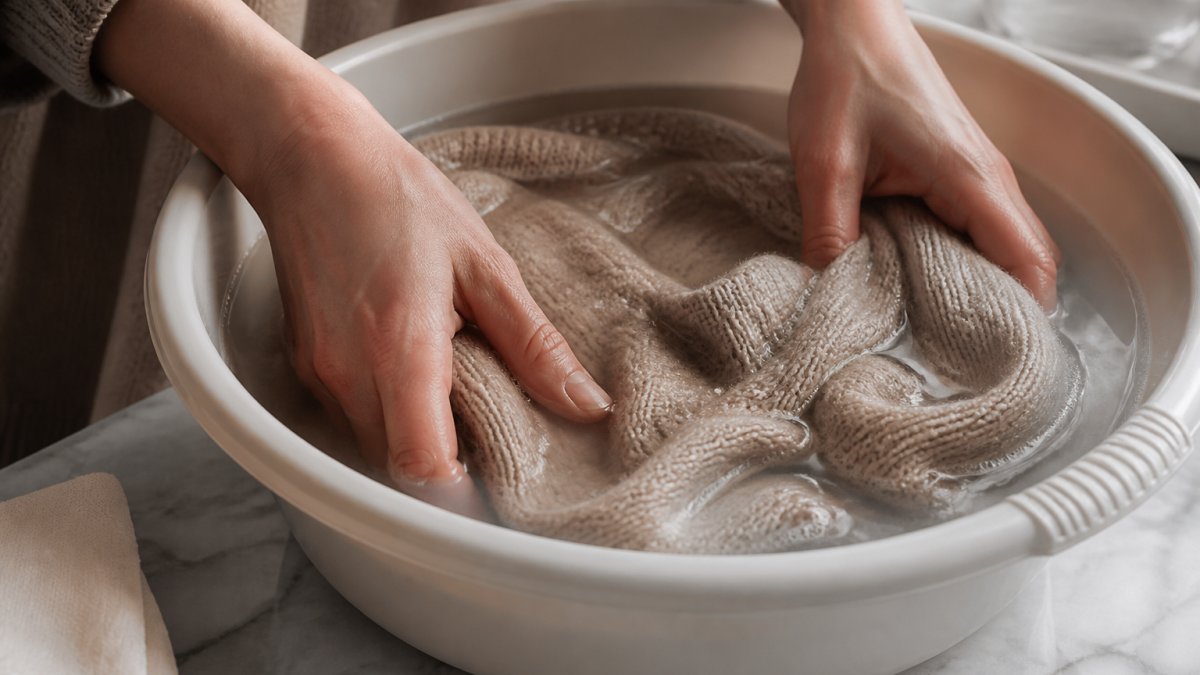
Fill a basin with cool water and add delicate detergent. Submerge the garment and soak 5-10 minutes. Gently agitate without rubbing, wringing, or twisting, friction damages fibers.
Drain and rinse with cool water 2-3 times using gentle submersion, not running water. Press gently against the basin to remove excess water. Never wring or squeeze.
Spot Cleaning and Stain Removal Without Damage
Treat stains immediately by blotting only, never rub or scrub.
For fresh stains, blot with a damp cloth using cool water, working from outside toward center. For oil-based stains, absorb excess with a dry cloth first.
For stubborn stains, apply specialized stain remover for delicate fabrics, blot gently, and rinse. Test on hidden areas first. If unresponsive, use professional dry cleaning rather than repeated attempts.
How to Store Luxury Garments to Prevent Damage
Storage determines whether a piece stays pristine or deteriorates. Environment matters as much as storage method.
Flat Drying and Shape Retention
Never hang wet garments; gravity stretches fibers and distorts shape. Lay items flat on a clean, dry surface away from direct sunlight and heat sources.
According to SloFashion's 2026 fabric maintenance guide, drying garments flat is critical to protect the shoulder shape of luxury items and prevent stretching of knitted pieces. Allow 24-48 hours for complete drying depending on fabric weight and humidity. For structured pieces like blazers or coats, lay them on a flat surface or use a padded hanger only after they are completely dry.
Climate Control and Humidity Management
Store items in a cool, dry location, ideally 65-70°F with 40-50% relative humidity to prevent damage:
- Below 30% humidity: Fibers become brittle and prone to cracking, especially silk and wool. Static electricity increases, attracting dust and causing pilling.
- Above 60% humidity: Mold, mildew, and mildew odor develop within weeks. Moisture weakens protein fibers and can cause permanent staining.
- Temperature above 75°F: Accelerates fiber degradation and encourages pest activity. Heat also speeds color fading in dyed fabrics.
Avoid basements and attics due to seasonal fluctuations. Use interior closets or climate-controlled spaces. In humid climates, consider a small dehumidifier. For long-term storage, a hygrometer ($15-40) monitors conditions.
Pest Prevention and Material Barriers
Moths and carpet beetles damage natural fibers. Prevention is far cheaper than restoration.
Cedar and botanical deterrents: Cedar blocks and lavender sachets repel insects. Replace cedar every 1-2 years; lavender every 3-6 months. These work best in sealed storage.
Garment bags and barriers: Use breathable garment bags (never plastic). Acid-free bags designed for long-term storage are preferable to dry-cleaning plastic.
Avoid direct contact with wood shelving, which transfers tannins and causes staining. Use shelf liners or acid-free tissue as a barrier.
Sealed storage for seasonal items: Use sealed plastic bins with cedar blocks or lavender sachets for seasonal pieces like winter coats or summer linens.
Folding, Hanging, and Pressure Management
Fold items rather than hanging when possible. Hanging stretches fibers over time, especially heavier pieces like wool coats and cashmere sweaters.
When hanging items, use padded or wooden hangers (never wire). For knits, fold and stack in drawers rather than hanging. For blazers, hang on padded hangers with good air circulation.
Rotate storage locations every 3-4 months to prevent permanent pressure wrinkles. Gentle refolding redistributes stress and maintains shape.
Long-Term Storage for Heirloom and Rarely-Worn Pieces
- Acid-free tissue: Wrap delicate pieces in acid-free tissue to prevent direct contact and allow air circulation.
- Pre-storage cleaning: Clean items before storage; stains and body oils attract insects and oxidize over time.
- Inspection schedule: Check stored items every 3-6 months for pests, mold, or odor.
- Climate consistency: Avoid moving items between hot and cold areas; temperature cycling weakens fibers.
For museum-quality or irreplaceable pieces, professional archival storage services ($50-150 per item annually) maintain precise climate controls and archival-grade materials.
Common Mistakes That Damage Luxury Fabrics
Using regular detergent is the most common mistake, it dulls colors and weakens fibers. Ignoring care labels is equally destructive.
Machine washing "hand-wash" or "dry-clean only" items introduces mechanical stress and water exposure. Heat drying causes shrinking and fading. Air drying is always correct for luxury fabrics.
Wringing or hanging wet garments causes permanent stretching. Storing damp items encourages mold. Overcrowding creates pressure wrinkles and prevents air circulation.
Garment Longevity: Long-Term Preservation Strategies
A luxury piece that lasts 10 years instead of 2 is a fundamentally different investment. Long-term preservation requires preventative thinking and knowing when to invest in professional intervention.
Preventative Maintenance and Early Repair
Address small issues immediately. Loose seams, small holes, or separated hems should be repaired by a professional tailor ($15-50) to prevent spreading damage.
Inspect garments after each wear for stains, loose threads, or damage. Treat stains the same day; they set over time. Use a fabric shaver sparingly on sweaters, over-use thins fabric.
Professional pressing extends the life of structured garments. For frequently-worn items, professional pressing every 3-4 months maintains structure and appearance.
Professional Repair and Restoration Services
Seam repair and reinforcement: Seams are the first failure point. Professional tailors can reinforce or repair them ($20-60 per seam).
Hole and tear repair: Small holes in knits can be invisibly mended ($30-100+). Woven fabrics require different techniques.
Zipper replacement: Professional tailors can replace broken zippers ($40-100).
Hem repair and alteration: Hems can be re-sewn by a tailor ($15-40 for simple repairs). Hand-stitching is preferable for luxury items.
Color restoration and re-dyeing: Professional re-dyeing restores color on solid items ($50-150+). Test on hidden areas first.
Fiber re-weaving: Specialists can repair holes in silk or fine wool by re-weaving ($100-300+). Available in major cities or online.
Pilling removal and fiber restoration: Professional de-pilling ($20-50) removes pills from knits without damage, restoring appearance.
Choosing Professional Repair Providers
- Ask about experience with your fabric type.
- Request references of previous work on similar items.
- Discuss repair method: hand-stitch vs. machine-stitch, thread matching, and visibility.
- Get a written estimate including labor and materials.
- Ask about guarantees if the repair fails.
For specialized services like invisible mending or re-weaving, search for providers in your area or use online services that accept mail-in items. These specialists often have waiting lists, so plan ahead.
Travel Care for Luxury Pieces
Packing luxury garments requires different technique than casual clothes. Roll items rather than folding to minimize creases. Use packing cubes to contain items and prevent friction against other luggage contents.
Never pack damp items; allow complete air drying before packing. Bring a small amount of delicate detergent and a sink-safe garment bag for emergency hand-washing.
When choosing what to pack, prioritize pieces that can handle hand-washing over dry-clean-only items. Travel introduces unpredictable conditions, humidity, temperature changes, and limited laundry options. Pieces with flexibility in care requirements are more practical for trips.
Seasonal Rotation and Wear Distribution
Rotating which pieces you wear extends the life of your entire luxury wardrobe. Wearing the same item repeatedly concentrates stress on the same seams and fibers, accelerating wear. If you have multiple blazers, rotate them throughout the week.
This distribution approach is especially important for items that see heavy use, work blazers, everyday cardigans, and frequently-worn trousers.
Seasonal storage also protects pieces. Winter coats stored properly during summer won't experience the wear and environmental exposure of year-round hanging. Similarly, summer linens stored in climate-controlled conditions during winter avoid temperature cycling that weakens fibers.
Frequently Asked Questions
What is the best way to wash luxury fabrics without causing damage?
The safest approach depends on the fabric type. For silk, cashmere, and wool, professional dry cleaning is recommended to avoid shrinking, fading, and structural damage. If hand-washing at home, use cold or lukewarm water (30°C or below), a pH-neutral mild detergent, and the gentle cycle method. Always blot rather than wring, and lay flat to dry. Check the care label first—many luxury fabrics are labeled 'dry-clean-only' for good reason.
How often should you dry clean luxury garments?
Frequency depends on wear and fabric type. Delicate items like silk blouses may need professional cleaning after 2–3 wears, while wool sweaters can go 5–7 wears before cleaning. Spot-clean minor stains immediately rather than washing the entire garment. Over-cleaning damages fiber integrity and shortens garment longevity. Always follow the care label and assess visible soiling before deciding to clean.
What makes a detergent suitable for delicate fabrics?
Look for detergents specifically formulated for delicate materials—these are pH-neutral and free from harsh enzymes that cause friction and fiber damage. Avoid bleach, optical brighteners, and heavy perfumes. Specialized delicate detergents preserve fabric composition and prevent fading. Use less detergent than you would for regular laundry; a small amount goes a long way on fine textiles.
Can you steam luxury fabrics at home?
Steaming is risky for many luxury fabrics. Direct heat can damage delicate fibers, cause water spots on silk, and weaken synthetic blends. For wrinkles, hang garments in a steamy bathroom or use a garment steamer on the lowest setting, holding it 6 inches away from the fabric. Always test on an inconspicuous area first. When in doubt, rely on professional pressing services to avoid heat damage.


