


Table of Contents
- What Defines a Curated Aesthetic in Men's Fashion
- Why Hand-Selected Fabrics Matter for Your Wardrobe
- How to Build a Capsule Wardrobe for Men with Intentional Pieces
- Transitioning from Mass-Market to a Unique, Curated Aesthetic
- The Psychology Behind Choosing Authentic Expression Over Trends
- Finding Your Fit: Body Type Specificity and Versatility
- Frequently Asked Questions
Last Updated: October 1, 2026
What Defines a Curated Aesthetic in Men's Fashion
Curated aesthetic alternatives are the intentional selection of clothing pieces that work together to express a cohesive personal style. Each item has a purpose and connects to your larger vision, moving beyond trends toward something authentically yours.
The power lies in intention: deliberate choices about fit, fabric, color, and design philosophy. Fewer pieces overall, but each earns its place by aligning with your values and lifestyle.
Moving Beyond Mass-Market Conformity
Mass-market menswear chases trends aggressively with predictable results: identical silhouettes, compromised fit, cheap fabrics, and designs lacking personality.
A curated aesthetic rejects this model by asking: What works for my body? What fabrics feel good? What designs reflect who I am? These questions lead toward intentional sources.
The Role of Intentional Selection and Design Philosophy
Every piece exists because of deliberate decision: fit, pairing potential, fabric quality, and alignment with your values. This is the opposite of impulse buying.
Design philosophy matters: some brands chase novelty, others pursue timeless refinement or sustainability. Understanding a brand's philosophy predicts whether pieces will integrate into your wardrobe.
At XEDITION77, the design philosophy centers on hand-selected fabrics and timeless refinement, pieces built to last, not to be discarded next season. This philosophy shapes every decision, from material sourcing to fit development. When you align with brands that share your values, curation becomes easier because you're not constantly fighting against the brand's own direction.

Why Hand-Selected Fabrics Matter for Your Wardrobe
Most menswear uses commodity fabrics chosen for cost. Hand-selected fabrics prioritize quality and feel, then durability, the difference is immediately noticeable.
Hand-selected fabrics come from selective sourcing: ring-spun cotton is softer and more durable due to careful fiber twisting, while garment-dyed finishes create richer color depth and refined texture.
Quality Craftsmanship and Longevity
Quality craftsmanship shows in details: double-needle stitching at stress points, tubular knit construction (no side seams), and sewn labels prevent deterioration and irritation.
These details cost more upfront but mean clothes last years, not seasons. A well-made tee can outlast five cheap alternatives, lowering cost per wear dramatically.
Comfort That Lasts Through Repeated Wear
Comfort is about how fabric behaves over time. Low-quality fabrics pill, fade, and lose shape; hand-selected fabrics maintain integrity through repeated wear.
Pre-shrunk ring-spun cotton won't shrink unexpectedly. Garment-dyed finishes develop character. Heavy-weight fabrics hold shape better, keeping pieces looking good through hundreds of wears.
How to Build a Capsule Wardrobe for Men with Intentional Pieces
A capsule wardrobe is a small collection of versatile pieces that work together. The goal is to own pieces you actually wear, not items that don't fit, don't match, or don't reflect your lifestyle.
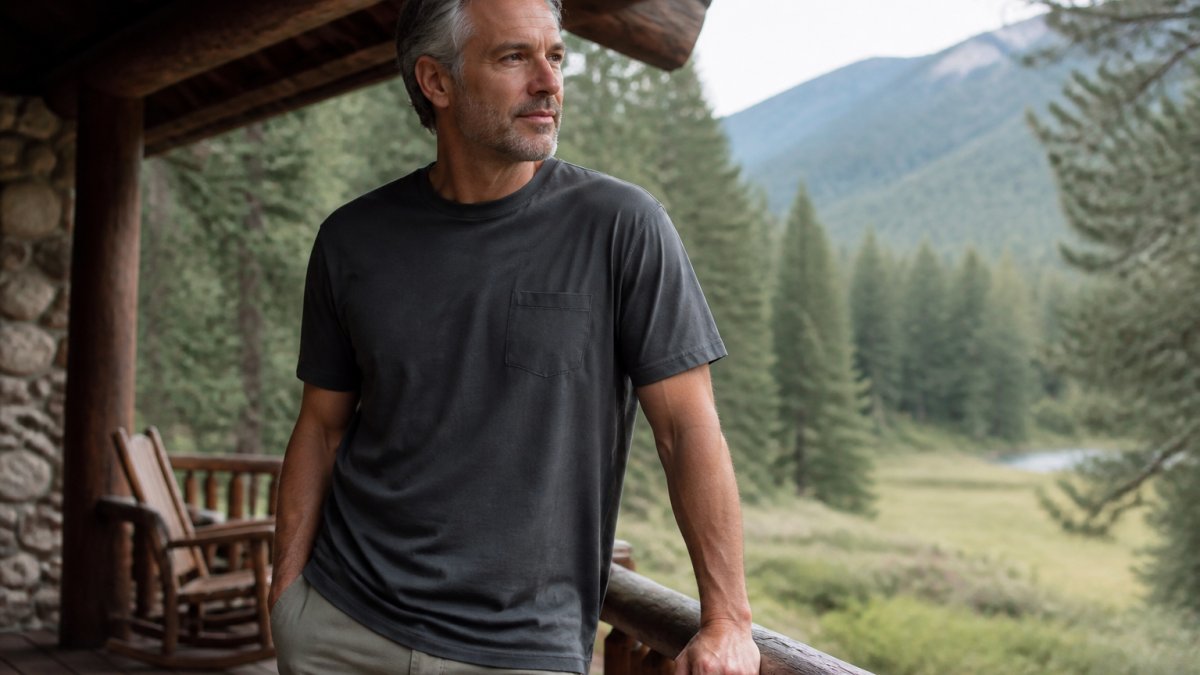
Building a capsule starts with honesty: what do you actually wear repeatedly? A construction worker's capsule differs from a remote worker's; a minimalist's differs from someone who enjoys bold graphics.
Starting with Wardrobe Essentials and Timeless Design
Wardrobe essentials are foundation pieces: neutral basics, well-fitting jeans, comfortable layers, and pieces that match multiple items.
Timeless means prioritizing longevity over trends.
"Xedition77 Flaming Skull Graphic Tee Back Print →
Identify 5-7 core foundation pieces: neutral, well-fitting, made from quality fabrics. XEDITION77's hand-selected fabrics mean basics like the Flaming Skull Crewneck Sweatshirt ($45.99) maintain appearance and comfort for years.
Adding Textural Variety and Personal Expression
Textural variety keeps your wardrobe interesting: mix smooth cotton with textured knits, matte with subtle sheen, lightweight with heavier pieces for visual depth.
Personal expression is where curation becomes genuinely unique. This is where you move beyond basics into pieces that reflect your personality. If you appreciate bold graphics and edgy design, pieces like the XEDITION77 Skull Flame Graphic T-Shirt ($33.99) serve this purpose while still maintaining quality construction that justifies their place in your wardrobe.

Capsule Layer |
Purpose |
Example |
Frequency |
|---|---|---|---|
Foundation |
Neutral, versatile basics |
Solid tees, basic sweatshirts |
Daily wear |
Texture |
Visual interest, mixing |
Graphic tees, patterned pieces |
Regular rotation |
Expression |
Personal style, personality |
Bold graphics, statement pieces |
Intentional selection |
Transitioning from Mass-Market to a Unique, Curated Aesthetic
Most people transition into curated aesthetic alternatives gradually after mass-market purchases fail. The transition requires auditing what you have and making intentional additions. A phased replacement strategy avoids expensive, impractical complete overhauls.
Phase 1: Audit and Identify Your Actual Preferences (Week 1-2)
Pull everything out and be brutally honest: what do you wear repeatedly? What sits untouched? What fits poorly?
Create three piles:
- High-rotation pieces: Items you wear at least once per week. These reveal your actual style and lifestyle.
- Occasional pieces: Items you wear monthly or seasonally. These have a role but aren't foundational.
- Never-worn or rarely-worn pieces: Items untouched for 3+ months. These are candidates for removal.
Look for patterns: do you wear graphic tees more than solids? Prefer relaxed fits? Gravitate toward certain colors?
Document findings: preferred fit, silhouettes, colors, materials, and lifestyle context. This becomes your curation blueprint.
Phase 2: Remove Low-Utility Pieces (Week 2-3)
Donate, sell, or repurpose pieces you never wear. A smaller wardrobe of pieces you love beats a larger closet of items you tolerate.
Remove pieces that don't fit your preferences, are damaged, or don't match anything else, unless they're foundational basics you plan to rebuild around.
After removal, you should have 15-25 pieces of actual clothing. This is your foundation.
Phase 3: Identify Gaps and Replacement Priorities (Week 3-4)
Look at what remains and identify gaps: missing graphic tees, inconsistent fits, no layering pieces. These gaps guide your replacement priorities.
Prioritize gaps by frequency: Tier 1 (3+ times/week) includes basic tees and foundational layers; Tier 2 (1-2 times/week) includes secondary basics and graphic tees; Tier 3 (monthly/seasonal) includes specialty pieces.
For Tier 1 gaps, you might identify that you need three to five basic tees in your preferred fit and color palette.
Phase 4: Replace Strategically, One Category at a Time (Month 1-3)
Replace one category at a time, starting with Tier 1.
Month 1: Basic Tees. Invest in three quality pieces rather than six cheap ones.
After two to three weeks, evaluate fit, matching, and comfort. This validates preferences before investing in more pieces.
"Xedition77 Flaming Skull Graphic Tee Back Print →
Month 2: Secondary Basics or Graphic Tees. Add designs that genuinely resonate.
Phase 5: Establish a Maintenance and Refresh Cycle (Ongoing)
Maintain your wardrobe by washing according to care instructions, repairing small issues, and replacing only when pieces genuinely wear out, not when trends shift.
Audit every 6-12 months: Are you wearing everything? Have preferences shifted? Are there new gaps? This prevents drift back into mass-market chaos.
The Psychology Behind Choosing Authentic Expression Over Trends
Authentic expression feels good, builds confidence, and makes getting dressed easier because you're not second-guessing yourself.
Trends are temporary. Chasing them means constantly replacing pieces; choosing pieces that express your personality keeps them relevant regardless of trends.
Finding Your Fit: Body Type Specificity and Versatility
One of the biggest mistakes is assuming one fit works for everyone. A relaxed fit that works for broader builds might look sloppy on lean frames; slim fits can feel restrictive on others.
A curated aesthetic accounts for your specific body type: where pieces should sit, how much room you need, and what silhouettes flatter your proportions. Fit matters more than size numbers.
Understanding Your Body Type and Fit Priorities
Body types have distinct fit needs: Athletic builds need tapered fits with room through chest/shoulders; Lean builds benefit from layering and horizontal elements; Average builds have flexibility with shoulder-focused fit; Heavier builds need structured fabrics and vertical lines that elongate.
Measuring for Fit Accuracy
Size labels are meaningless without context. A "Large" from one brand might fit completely differently from another. Develop a personal measurement system:
- Shoulder width: Measure across the back from shoulder point to shoulder point (the bony part where your arm meets your torso). This is the hardest measurement to alter and should be your primary fit anchor.
- Chest: Measure around the fullest part of your chest, keeping the tape parallel to the ground.
- Waist: Measure at your natural waist (where your pants naturally sit), not your belly.
- Length: For tees and casual shirts, measure from the base of your neck down the back to where you want the hem to hit (typically mid-hip or slightly below).
- Sleeve length: Measure from the center back neck, across the shoulder, down the arm to your wrist bone.
When evaluating pieces, compare these measurements to the brand's size chart rather than the size number. XEDITION77 provides detailed measurements (width, length, sleeve length) for each piece, allowing you to verify fit before ordering, this specificity is crucial for building a curated wardrobe where pieces actually work with your body rather than fighting against it.
Versatility Within Your Fit Profile
Once you understand your fit needs, versatility means choosing pieces that work in multiple contexts within those constraints. A well-fitting basic tee in your correct shoulder width works with jeans, shorts, or under a jacket.
The key is consistency: if you identify that you wear a medium shoulder width and prefer pieces that hit mid-hip in length, every piece you add should meet those criteria.
Frequently Asked Questions
What makes a curated aesthetic different from just buying random clothes?
A curated aesthetic involves intentional selection based on a cohesive design philosophy, color palette, and fit that reflects your values and lifestyle. Instead of impulse purchases, you choose pieces that work together, feature quality craftsmanship, and express your authentic identity. This approach means every item earns its place in your wardrobe and lasts through repeated wear, unlike mass-market pieces designed for short-term trends.
How do hand-selected fabrics improve the quality and longevity of menswear?
Hand-selected fabrics are chosen for durability, comfort, and how they age over time. Quality cotton blends, heavyweight materials, and pre-shrunk fibers resist pilling and fading, while thoughtful construction like double-needle stitching and tubular knit prevents seams from splitting. These benefits of hand-selected fabrics mean your clothing maintains its shape, color, and feel through regular washing and wear, offering far better value than cheaper alternatives that deteriorate quickly.
Can I build a capsule wardrobe for men on a reasonable budget?
Yes. Start by identifying 5-7 versatile wardrobe essentials in neutral tones, then add pieces with personality through graphic tees and layering options. Prioritize quality over quantity—invest in basics that work across seasons and occasions. A capsule approach eliminates waste because each piece serves multiple outfits, making your overall spending more efficient. XEDITION77's range, from $17.80 tote bags to $45.99 sweatshirts, allows you to build intentional pieces without overspending.
How do I know if a brand truly offers a curated aesthetic or just marketing hype?
Look for transparency about fabric composition, construction methods, and design philosophy. Authentic curated brands explain why they choose specific materials and how pieces are made. Check for consistent quality across the catalog, readable care instructions, and evidence of durability testing. Brands like XEDITION77 detail their hand-selected fabrics, garment-dyed finishes, and double-needle stitching—concrete details that signal genuine craftsmanship rather than empty promises.


