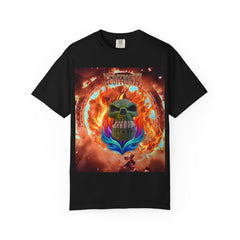
September 19, 2026
Buy Premium Men's Apparel Online: 2026 Guide
Table of Contents
- Why Premium Men's Apparel Is Worth the Investment in 2026
- Best Fabrics for Men's Luxury Clothing: What to Look For
- How to Measure for Men's Apparel Online
- How to Build a Premium Capsule Wardrobe
- Investment Piece Maintenance and Care
- Styling for Real Bodies: Fit Advice for Men Over 40
- Sustainable and Ethical Sourcing in Premium Menswear
- Where to Buy Premium Men's Apparel Online
- Frequently Asked Questions
Last Updated: September 19, 2026
Why Premium Men's Apparel Is Worth the Investment in 2026
Sixty percent of men now say they will pay a premium for quality clothing, according to Into The AM's Men's Fashion Trends 2026 report, and the numbers behind that shift are hard to argue with. The U.S. apparel market sits at roughly $373 billion in 2026, per Statista's apparel market forecast, yet the growth is concentrated at the top: premium menswear is projected to expand at a 3.66% CAGR through 2031, driven by buyers who want fewer, better pieces.
Best Fabrics for Men's Luxury Clothing: What to Look For
Fabric is the strongest predictor of how a garment looks after a year of wear. Two shirts with identical price tags can perform nothing alike: price reflects brand positioning, fabric reflects longevity.
Natural Fibers That Earn Their Price
Ring-spun cotton is twisted repeatedly for a smoother, stronger yarn that holds its shape through washing, so heavyweight ring-spun tees drape rather than cling. Cashmere delivers warmth without bulk but demands care. Merino wool regulates temperature and resists odor. Linen breathes in heat but wrinkles by design.
Fabric Weight and Weave: Reading the Specs
Weight, measured in ounces per square yard, tells you more than marketing copy. A 6.1 oz garment-dyed cotton tee has real substance; a 4 oz tee feels flimsy within months. Tighter weaves resist pilling; open weaves breathe better but snag more easily.
How to Measure for Men's Apparel Online
Getting sizing right online comes down to four numbers taken with a soft tape measure over a thin shirt. Measure once, write them down, and every future order becomes a two-minute decision.
The Four Measurements That Matter Most
- Chest: wrap the tape around the fullest part of your chest, keeping it level under the arms.
- Waist: measure at your natural waistline, roughly at the navel, without pulling the tape tight.
- Sleeve: from the center back of your neck, across the shoulder, down to the wrist bone.
- Inseam: from the crotch seam of a well-fitting pair of pants down to the hem.
Compare those numbers against the brand's size chart, not a generic one. Fit varies enormously between labels, and a brand that publishes garment measurements (not just body measurements) understands the problem.
| Measurement | Where to Measure | Common Mistake | Why It Matters |
|---|---|---|---|
| Chest | Fullest point, tape level | Measuring over a thick shirt | Determines shoulder and torso fit |
| Waist | Natural waistline at navel | Pulling tape tight | Prevents gaping or pinching |
| Sleeve | Center back neck to wrist | Measuring from shoulder only | Affects layering and reach |
| Inseam | Crotch seam to hem | Using an old pair's stated size | Controls break and drape |
How to Build a Premium Capsule Wardrobe
A premium capsule wardrobe is a small, interchangeable set of high-quality garments that covers most of your week without decision fatigue. Twelve pieces you actually wear beat forty you avoid, and the math makes the higher price tag defensible.
The Cost-Per-Wear Case for Fewer, Better Pieces
Cost per wear is the only honest way to compare a $26.58 heavyweight tee against a $9 fast-fashion equivalent: divide price by the number of times you realistically wear the garment before it fails.
- A 6.1 oz ring-spun cotton tee worn twice a week for three years lands near 300 wears. At $26.58, that is roughly nine cents per wear.
- A thin 4 oz tee worn twice a week that pills and loses shape in eight months lands near 70 wears. At $9, that is roughly thirteen cents per wear, and you replace it three times over.
The 12-Piece Core for a Relaxed Lifestyle
- Two heavyweight cotton tees in neutral tones (6.1 oz or heavier)
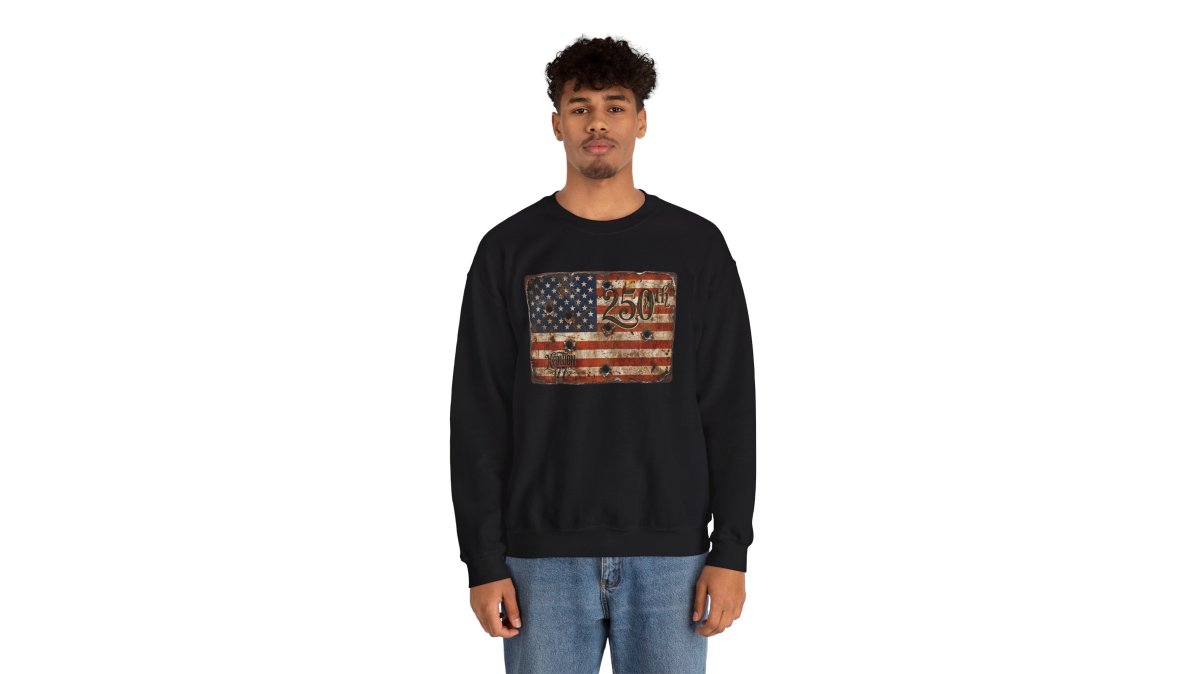
- One relaxed crewneck sweatshirt for layering
- One hoodie for cool mornings and travel
- Two button-down shirts (one solid, one subtle pattern)
- One unstructured blazer for dinners and events
- Two pairs of well-fitting trousers or dark denim
- One pair of quality leather shoes or boots
- One lightweight jacket for transitional weather
Every piece should work with at least three others. If it does not, it is not a capsule piece, it is a purchase you will regret by spring.

How to Assign Fabric Weights to Each Slot
Capsule advice usually stops at the list. The harder question is which fabric weight belongs in which slot, because that determines whether the piece layers or fights everything else in the closet.
- Base layer (tees): 6.1 oz and up. Anything lighter shows through under a hoodie or blazer and will not hold a drape.
- Mid layer (sweatshirt, hoodie): 8 oz cotton-poly blends balance warmth with structure. All-cotton mid layers can feel stiff until broken in.
- Outer layer (jacket, blazer): unstructured blazers in soft wovens drape better than stiff tailored jackets and layer over a 6.1 oz tee without bulk.
- Bottoms: mid-weight denim or a 9 to 11 oz cotton twill holds a straight-leg silhouette without sagging at the knee.
The Outfit-Combination Test
Run the test in two directions: build ten outfits by pairing each top with each bottom, then build five outfits that layer three pieces (tee, mid layer, outer layer) without repeating a piece. If the second test fails, your capsule is top-heavy.
Where Capsules Usually Break Down
Most capsules fail for three reasons, none about taste.
- Color drift. A capsule built from five different neutrals is not a capsule, it is a collection. Pick two neutrals and one accent, and hold every purchase to that palette.
- Weight mismatch. A 4 oz tee under an 8 oz hoodie creates a visible line at the collar. Match weights across layers.
- Duplicate function. Two hoodies and no blazer is a wardrobe with a hole in it. Each slot should do one job.
Fix those three and the twelve pieces will out-perform a closet three times the size.
Investment Piece Maintenance and Care
Care is where premium apparel earns or loses its price. A $200 garment washed wrong twice becomes a $200 regret, and the fix costs nothing but attention.
Styling for Real Bodies: Fit Advice for Men Over 40
Fit changes as bodies change, and the rules that worked at 25 rarely work at 50. The goal is a modern silhouette that skims rather than clings, with structure where you want it and ease where you need it.
Sustainable and Ethical Sourcing in Premium Menswear
Sustainability in premium apparel is not a marketing category but a traceability question. Brands worth your money can tell you where the fiber came from, how the dye was certified, and who sewed the garment. Those that cannot are hoping you will not ask.
How to Read a Supply Chain Claim
A real sourcing claim has three parts: fiber, process, and facility. If a brand names only one, it is telling you where its transparency ends.
- Fiber: "American-grown cotton" is a verifiable claim. "Premium cotton" is not. The U.S. Cotton Trust Protocol documents growing practices for American cotton, which is why brands that source through it tend to name the program rather than the country.
- Process: OEKO-TEX certified dyes are tested for harmful substances, which matters most for anything worn against the skin. A brand that names the certification is usually also willing to name the mill.
- Facility: This is where most brands go quiet. Naming the factory is the hardest claim to make and the most meaningful one, because it is the only part of the chain a buyer cannot verify from a photo.
Construction Choices That Reduce Waste
Sourcing is not only about fiber. How a garment is cut and sewn determines how much fabric ends up in a bin.
The Honest Trade-Off
Certification adds cost, and not every premium brand pursues it. That is a legitimate trade-off, but it should be a stated one. A brand that says "we do not certify because the margin does not support it at our price point" is more trustworthy than one that says nothing and lets you assume the best.
Why Fewer, Better Pieces Is the Real Sustainability Move
Buying fewer, better pieces is the most effective sustainability choice available to most shoppers. A garment worn 200 times has a fraction of the environmental cost per wear of a fast-fashion item worn five times. The most sustainable piece in your closet is the one you already own and still wear.
Where to Buy Premium Men's Apparel Online
Buying premium mens apparel online works best when you treat the product page as a specification sheet rather than a photo gallery. Look for fabric weight, fiber content, construction details, and a published size chart. If a listing cannot tell you what the garment is made of in ounces and percentages, it is not selling you premium anything.
Frequently Asked Questions
What defines premium men's apparel?
Premium men's apparel uses high-quality fabrics, durable construction, and thoughtful design. Look for ring-spun cotton, garment-dyed finishes, and double-needle stitching. In 2026, 60% of men say they will pay more for quality clothing. Premium means the garment holds its shape and color after repeated wear, not just a higher price tag.
How can you tell if clothing is high quality when shopping online?
Check fabric weight, fiber content, and construction details. A heavyweight 6.1 oz cotton tee with double-needle seams and a sewn-in label signals durability. Read care instructions: cold wash and low tumble dry suggest the fabric can handle regular use. Baymard Institute found over 1,720 usability issues on apparel ecommerce sites, so look for brands that publish detailed specs and sizing charts.
What should you look for in fabric quality when buying men's clothing?
Prioritize natural fibers like ring-spun US cotton, cashmere, or wool over synthetic blends for breathability and longevity. Fabric weight matters: 6.1 oz cotton feels substantial and drapes well, while lighter weights may wear thin. Garment-dyed finishes give a broken-in feel that ages gracefully. OEKO-TEX certified dyes indicate the fabric meets safety and environmental standards.
Is it worth buying luxury men's clothing online?
Yes, if you buy from brands that provide detailed measurements, fabric specs, and clear return policies. The US online men's clothing market reached $36.3 billion in 2026, and premium menswear is growing at 3.66% CAGR through 2031. Shopping online gives access to curated selections and exclusive designs you will not find in local stores. Start with one investment piece and evaluate the fit before ordering more.
The real challenge with buying premium apparel online is not finding options, it is trusting that what arrives matches what you read. XEDITION77 addresses that directly with hand-selected fabrics, garment-dyed heavyweight cotton, and a curated selection built for comfort and timeless refinement rather than fast turnover. Start with a single heavyweight tee or crewneck, compare it against what is already in your closet, and let the fabric make the argument. Shop now →